

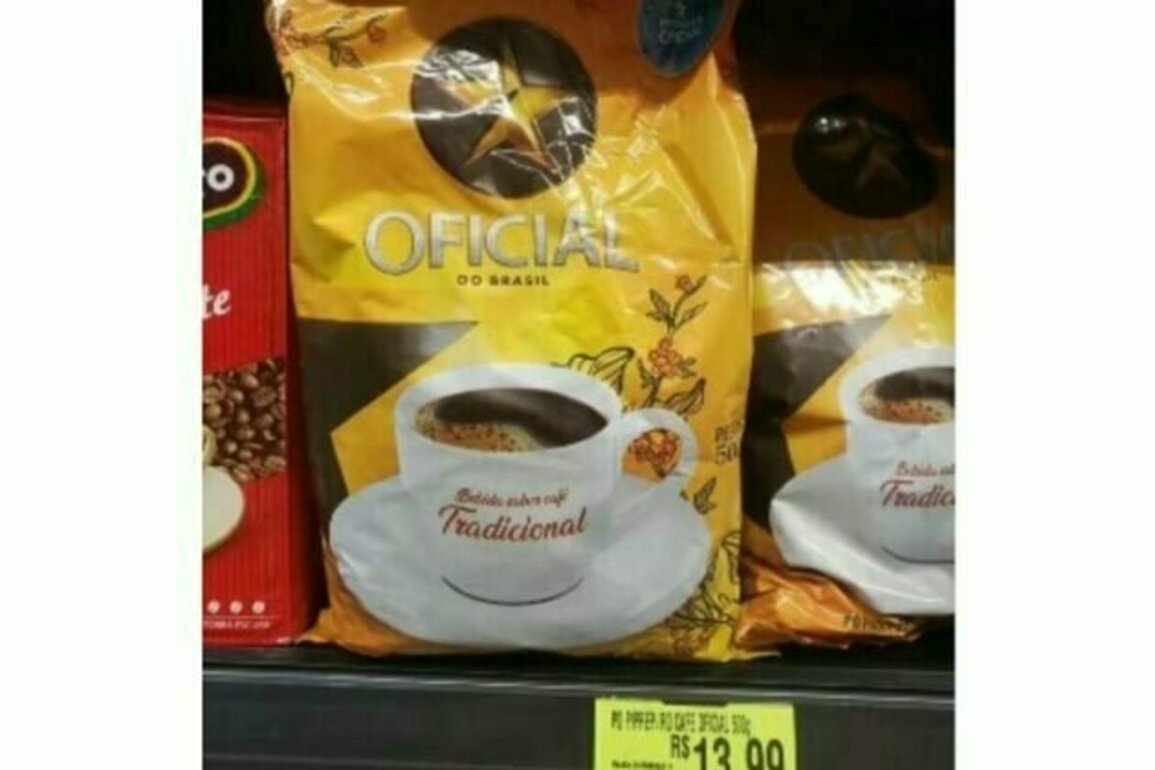
RIO DE JANEIRO (CN) - A few days after President Luiz Inacio Lula da Silva suggested in a radio interview that Brazilians should stop buying expensive products to help drive down prices, images of low-cost coffee packages flooded Brazilian social media.
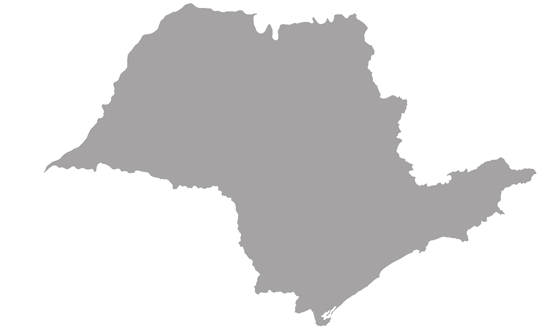
Despite packaging nearly identical to well-known brands, the products were not coffee but "coffee-flavored beverage mix." Consumers quickly dubbed them "cafake," or "fake coffee." According to the Brazilian Coffee Industry Association, these products have been found on supermarket shelves in cities across Sao Paulo, Parana and Santa Catarina.
Since 2024, the price of coffee - a staple of the Brazilian diet - has increased sharply. In February, inflation on ground coffee reached 10.77%, the highest in 26 years, according to the Brazilian Institute of Geography and Statistics.
To address rising food prices, the Brazilian government eliminated import taxes on products like meat, coffee, sugar and corn on March 14. Lula has also requested state governments reduce taxes on food, though most governors are resistant to the proposal.
Jlia Moreira, a 34-year-old living in Florianopolis, in Santa Catarina, said she has noticed coffee getting more expensive every day. "The price of regular coffee is what gourmet coffee used to cost some time ago. It's outrageous," she said.
But that hasn't pushed her to buy "fake coffee" just yet.
"If that's the only source of caffeine left, I think I'll switch to mate," she added, referring to the traditional South American beverage made by steeping dried yerba mate leaves in hot water.
Diogo Coutinho, professor of economic law and political economy at the University of Sao Paulo, said: "Price speaks volumes. If there's a product that resembles coffee, has a picture of a steaming cup and costs half the price or even $4 less, of course it makes all the difference."
However, these substitutes might contain coffee byproducts, such as husks or even stones.
Mariana Ribeiro, a nutritionist with the Brazilian Institute for Consumer Protection, acknowledges that not all substitutes are harmful but says their marketing can be misleading.
"They use labels, packaging and advertising strategies that closely resemble those of similar products, even though they are not the same thing," Ribeiro said. She also noted that these products are often next to real coffee on supermarket shelves, which can further confuse consumers.
For Coutinho, this issue can be analyzed from different perspectives - one being consumer rights, particularly misleading advertising. "I think it's fair to say there is deception. These products are not designed to be fully transparent; it's an attempt to walk a fine line," he said.
Brazil's Consumer Protection Code bans advertising that misleads consumers through false or incomplete information. This includes products that use graphics or text in a way that confuses buyers about what they are purchasing. If the intent to deceive is shown, the practice can be deemed illegal in court, subjecting the company to fines, product recalls and even lawsuits.
"Regulatory agencies need to demand clarity and consistency. This is a typical consumer rights issue," Coutinho said.
Mariana Levy, a lawyer and social scientist who coordinates research on food regulation at the University of Sao Paulo, explained that there is no legal definition for :similar foods,: but products that mimic traditional foods using cheaper ingredients are commonly considered similar.
The practice is not new. In the past, rising milk prices led the Brazilian food industry to introduce various types of dairy beverages and blends. Condensed milk, widely used in Brazilian cuisine, was replaced by a version made with milk, whey and starch. Dulce de leche was substituted with "whey-based caramel spread," and grated cheese became a "cheese-flavored food mix."
Despite Brazil's relatively strict food regulations, Levy acknowledges that food industry lobbying has often weakened enforcement efforts. "We can try to think about the regulation of similar products from a public health perspective, knowing that the industry works to block, avoid, delay or weaken policies," Levy said.
Moreira agrees that "fake products" are nothing new in Brazil.
"We see chocolate that isn't really chocolate, ice cream, cookies. Instead of eating real food, we're eating coloring, flavoring - feeding ourselves with chemicals and synthetic products," she said. "We can see that the industry is pushing these processed foods at all costs, there's a very strong lobby. So fake coffee is no big surprise."
Levy believes it's important to approach the regulation of similar products through a public health lens, while acknowledging that the food industry often seeks to block, delay or weaken such policies. She emphasized that the main challenge is enforcing existing regulations, especially those concerning misleading advertising.
Coutinho added that developing a unified public policy for healthy eating is a challenge. "We need a deeper cultural shift in dietary patterns, and that doesn't happen overnight," he said.
Ribeiro stressed the importance of paying close attention to product labels and ingredients. She advised those who feel misled to file complaints with the Institute for Consumer Protection's Food Advertising Observatory.
While no complaints have been filed about "fake coffee" products yet, the institute has previously handled cases involving misleading ingredient claims.
"We have a category for reporting 'ghost ingredients,' which are similar cases. The first product we reported was an oatmeal and honey biscuit that contained no honey, even though the packaging explicitly claimed otherwise. When we checked the label, it was technically compliant, but the advertising was misleading," she said.
For food sociologist Mariana Hase Ueta, a postdoctoral researcher at Wageningen University & Research, the issue goes beyond foods that try to mimic others or misleading advertising.
"The main issue is food justice. These products have emerged not because there are no options, but because people can't afford the original products," she said. "It's not just about labeling or packaging. What's the point of providing all the information if people still can't buy it?"
The Brazilian Coffee Industry Association condemned the sale of "cafake," calling it fraudulent and a deception that threatens consumers' wallets and health. The association reported the substance to Brazil's Ministry of Agriculture and Livestock and the Brazilian Health Regulatory Agency, Anvisa, urging stricter oversight of supermarkets and wholesalers who offer the product.
In February, the Ministry of Agriculture and Livestock seized products suspected of being "fake coffee" from three factories. The ministry said it is continuing to investigate whether the products can be considered fraud but did not provide information on the status of the investigation. Anvisa has yet to comment on the matter.
Source: Courthouse News Service